GuidesFeatured
Dry Brush Watercolor Technique: 8 Tips for Broken Texture
Dry brush watercolor technique means thick paint, a blotted brush and dry paper. Eight tips on paper, loading and brush angle, plus a 5-step practice drill.
11 min
Loading
Watercolor ideas to paint this week, step-by-step technique guides for beginners, and plain-English advice on which paper, paints and brushes are worth buying.
GuidesFeatured
Dry brush watercolor technique means thick paint, a blotted brush and dry paper. Eight tips on paper, loading and brush angle, plus a 5-step practice drill.
11 min
Guides14 min
How to clean watercolor brushes, with mild soap and water that is never hot. Seven steps, why brush makers disagree on drying, and what they all forbid.
Features14 min
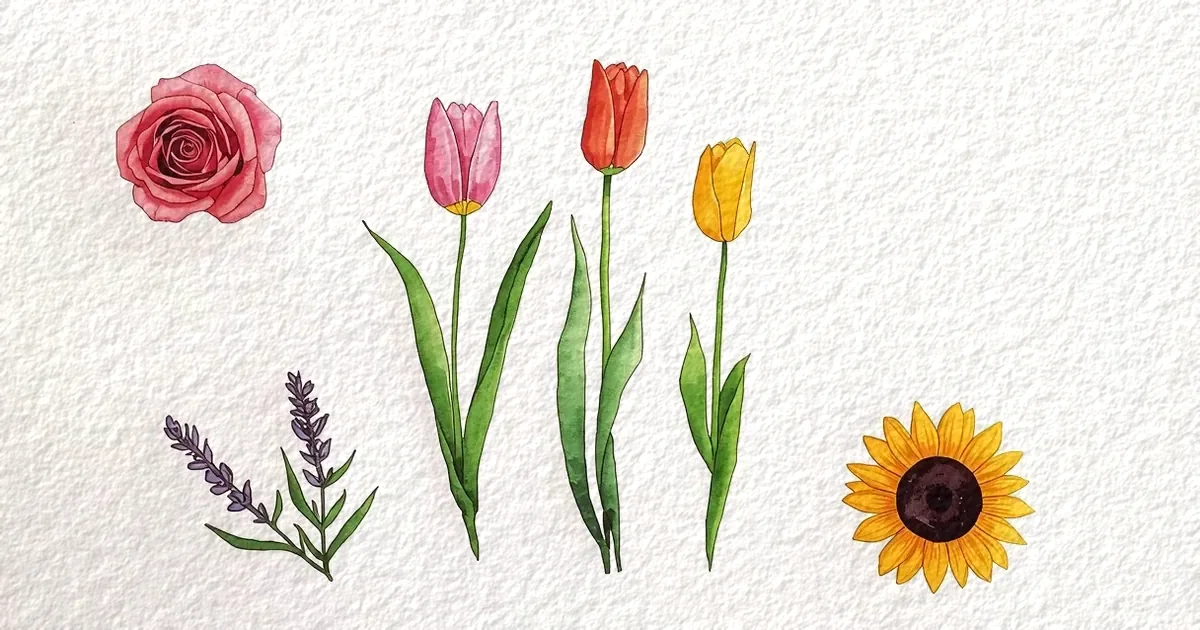
Easy watercolor flower ideas, 12 flowers from four tubes, grouped by the one brush move each needs. Pigment codes, paper, time and three steps for each.
Features14 min
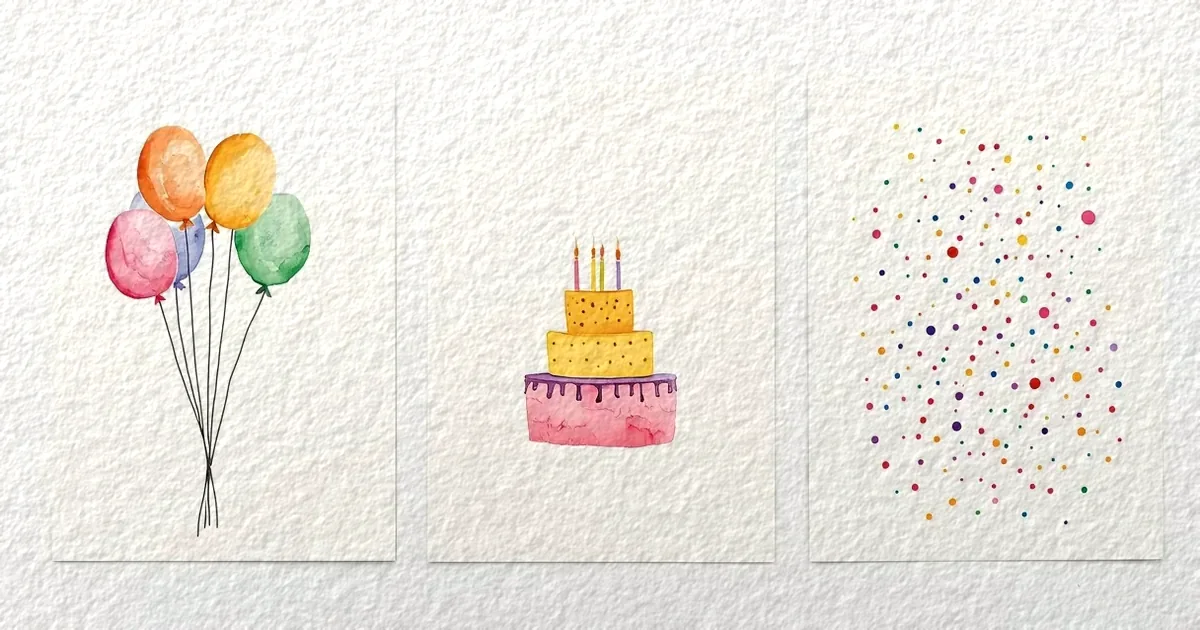
Watercolor birthday card ideas, 10 cards from a rose, a yellow and a blue. Pigment codes, paper, time and three steps for each, sorted by who gets it.
Features15 min
Features14 min
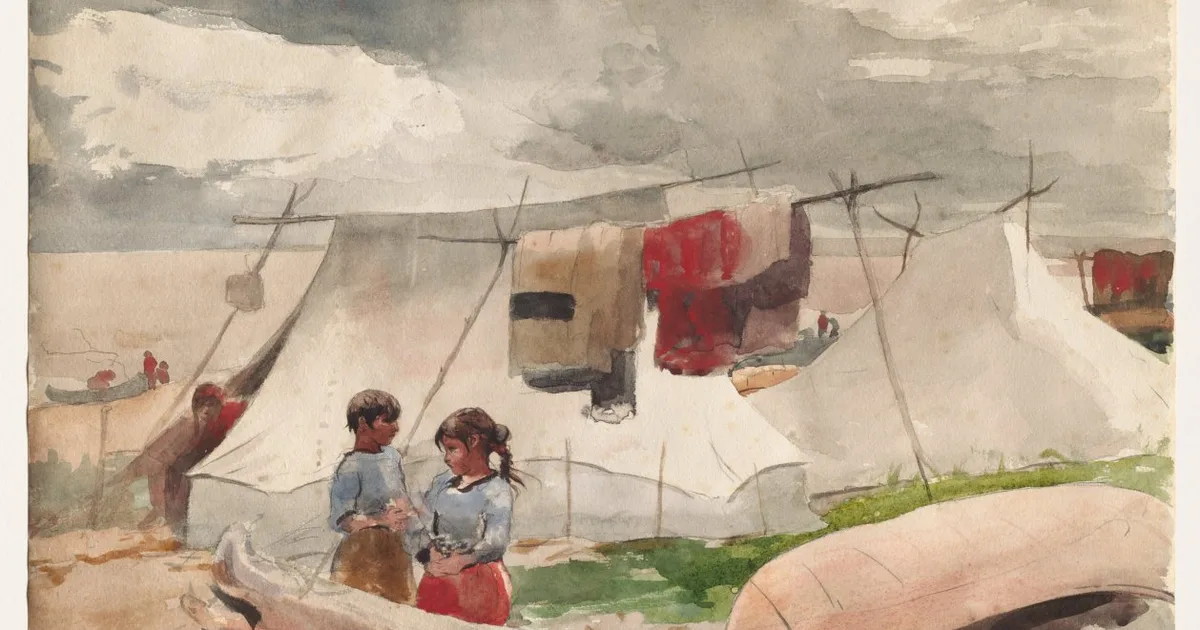
Features12 min
Granulating watercolors are paints whose heavy mineral pigment settles into the paper's texture as it dries. Seven that do it, and how to control it.
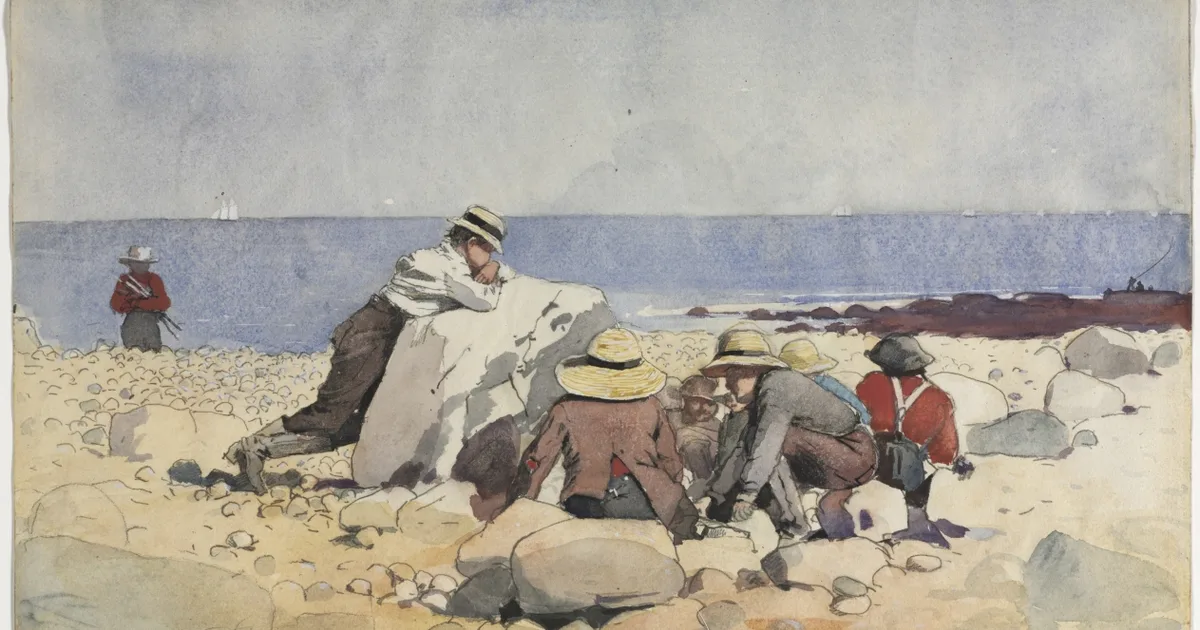
Guides11 min
Flat wash watercolor technique needs a tilted board, a big puddle and a bead you never let dry. Five steps for a flat wash, how to grade it, and the fixes.
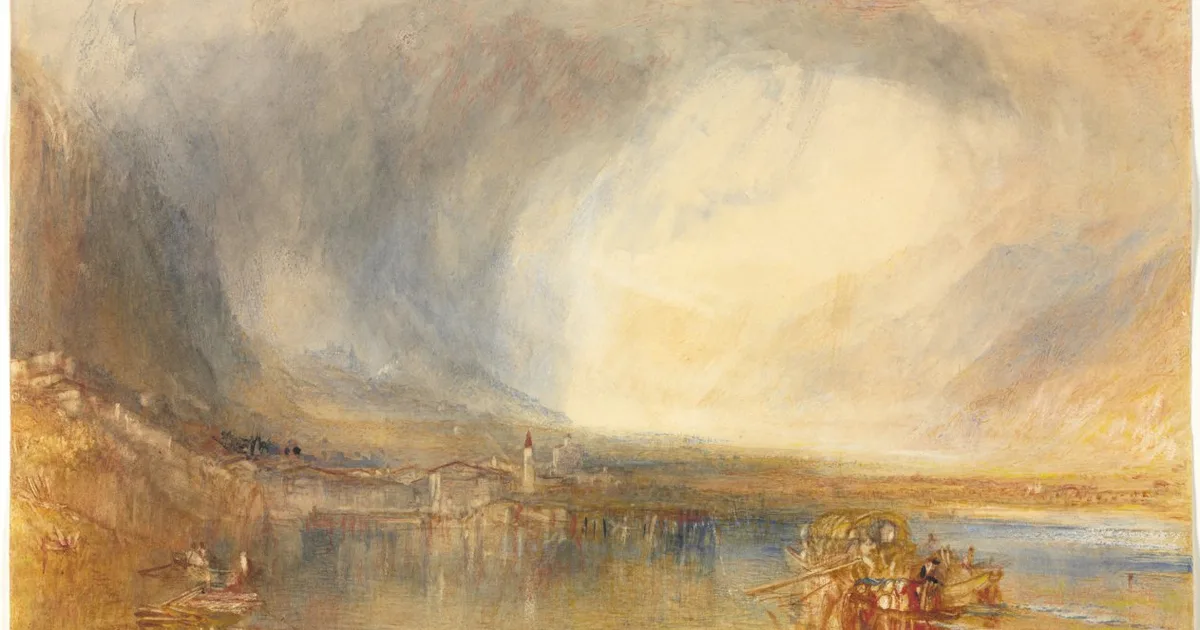
Guides12 min
Glazing watercolor technique means one thin transparent wash over another that has dried. Which pigments glaze cleanly, which turn to mud, and six steps.
Features11 min
Watercolor block vs pad comes down to flatness against price. Arches blocks, pads and full sheets compared per sheet and per square inch, with Blick prices.
Guides12 min
Masking fluid watercolor painting works when the paper is dry, the latex comes off within a day and the brush is one you can spare. 7 steps, 3 products.
Pigment Properties
Granulation
A visual effect in watercolor painting where heavier pigment particles settle into the micro-valleys and textured indentations of watercolor paper, producing a mottled, organic texture rather than a flat, uniform wash.
Techniques
Wet-on-Wet
A core watercolor technique where wet paint is applied onto an already damp paper surface or an existing wet wash, allowing pigments to bleed, bloom, and diffuse softly with fluid transitions.
Techniques
Wet-on-Dry
A foundational watercolor technique where wet pigment is brushed onto completely dry paper, creating crisp, defined contours and sharp graphic edges.
Materials & Chemistry
Lightfastness
The chemical resistance of a paint pigment to fading, shifting hue, or darkening when exposed over time to ambient sunlight and ultraviolet light, typically rated under the ASTM D5067 standard (ASTM I Excellent to ASTM III Fugitive).
Paper & Surfaces
Cold-Pressed Paper
The most widely used watercolor paper texture, produced by pressing moist sheets between cold felt-covered metal rollers. It features a gentle, medium-toothed texture that holds water evenly while accommodating both detail and granulating washes.
Paper & Surfaces
Hot-Pressed Paper
Watercolor paper passed through heated, smooth metal rollers during manufacturing, resulting in an exceptionally smooth, flat, untextured surface with minimal tooth.
Find what you're looking for