Loading
Watercolor Daily · Features
Best Watercolor Sketchbooks: 4 With 100% Cotton Paper
Best watercolor sketchbooks use 100% cotton paper, and four widely sold books clear that bar. Weight, sizing and binding compared, plus the ones to skip.
12 min readBy Marcus Reed
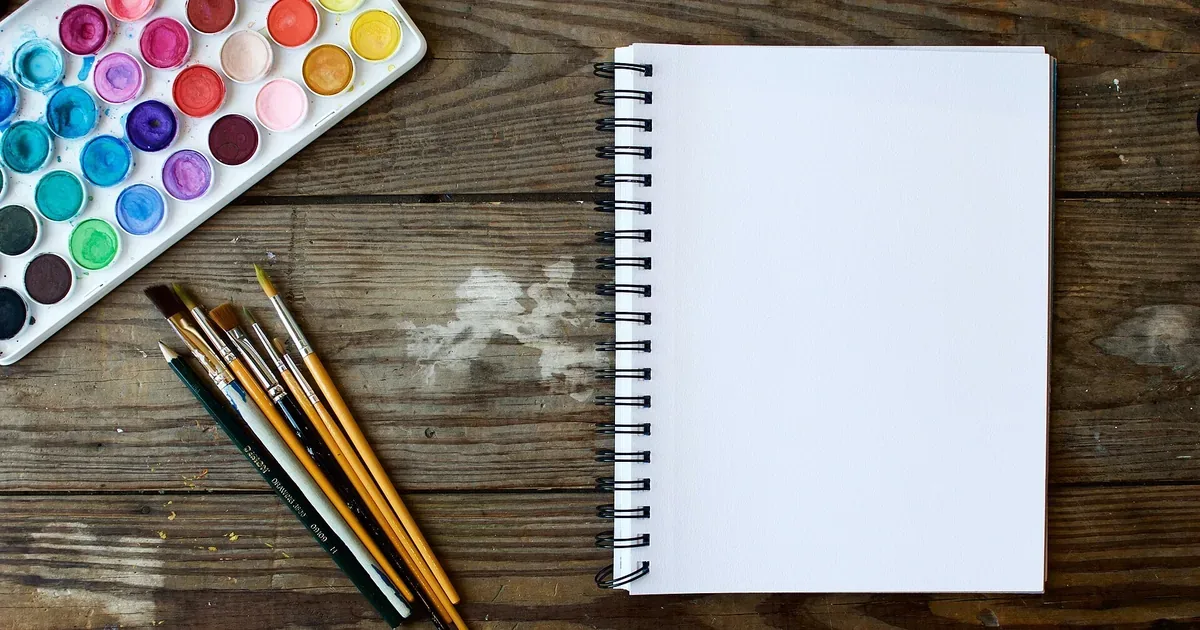
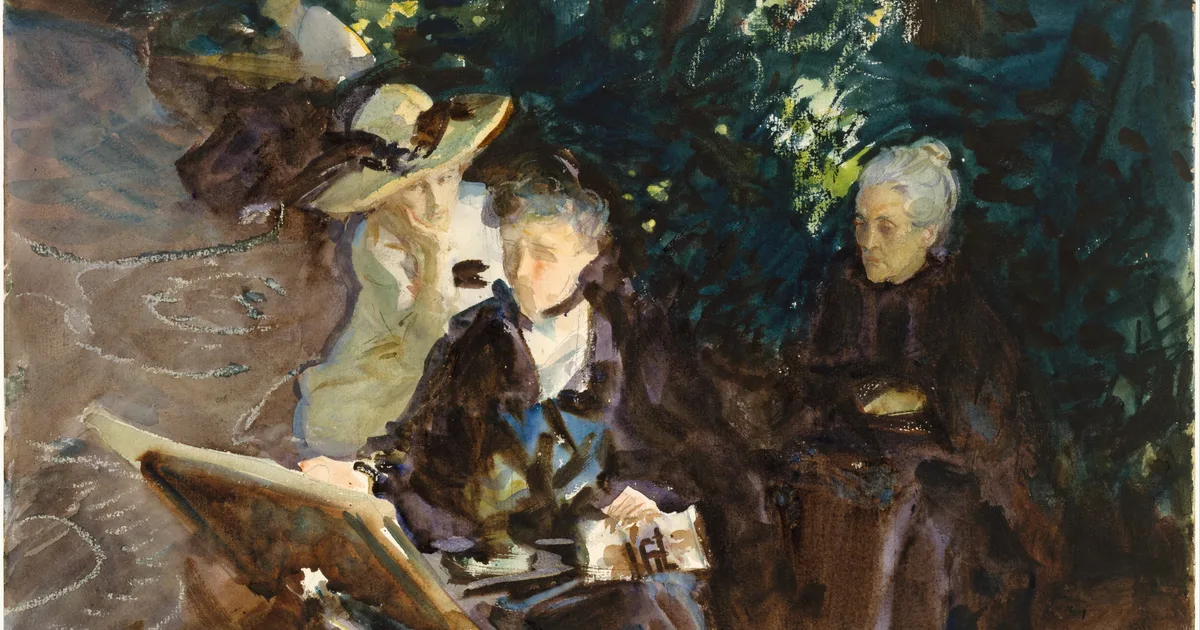
Photo: Tim Arterbury, Wikimedia Commons, CC0
The best watercolor sketchbooks are the ones with 100% cotton paper inside, and that's a shorter list than the shelf at an art store suggests. A lot of books called "watercolour" use wood cellulose, or a blend that's only partly cotton, and even one brand can sell both under nearly the same name.
I picked four widely sold books whose makers or retailers publish the fiber, weight and sizing. Ranking is by use, since a 210 gsm handmade rag book and a 300 gsm mould-made book solve different problems. Every spec below comes from the manufacturer's page where one exists, and from a named retailer where it doesn't.
In short: For most painters, the Hahnemühle Watercolour Book 100% Cotton (250 gsm, 30 sheets, surface sized) is the safest pick. The Baohong Academy book is the heaviest at 300 gsm with gelatine sizing. Etchr has lay-flat binding for spreads, and Khadi's handmade 210 gsm rag gives the roughest texture. Read the label: Hahnemühle also sells cellulose books under a similar name.
What are the best watercolor sketchbooks? (quick answer)
The Hahnemühle Watercolour Book 100% Cotton is the best all-round choice, with 250 gsm cotton rag on both sides of every sheet. Pick Baohong Academy if you want 300 gsm weight, Etchr for flat two-page spreads, and Khadi for rough, handmade texture.
Key Takeaways
- Best all-round: Hahnemühle Watercolour Book 100% Cotton, 250 gsm, 30 sheets, eight formats.
- Heaviest paper: Baohong Academy (sold as Classic in the UK), 300 gsm, sized with gelatine inside and out, per Cass Art.
- Best for spreads: Etchr Sketchbook, 230 gsm cold press, lay-flat binding.
- Most texture: Khadi handmade hardback, 210 gsm cotton rag, rough or smooth.
- Check the label: a "watercolour" book is not automatically cotton. Hahnemühle sells both fibers, and Moleskine's album is 25% cotton.
Overview: How These Sketchbooks Were Chosen
Three published facts decided whether a book made this list of the best watercolor sketchbooks: fiber content, paper weight and sizing. A book had to be 100% cotton by its maker's own description, or by a named retailer's when the maker publishes no spec page. It also had to be sold widely enough that you can actually buy it, which ruled out handmade one-offs and Kickstarter batches.
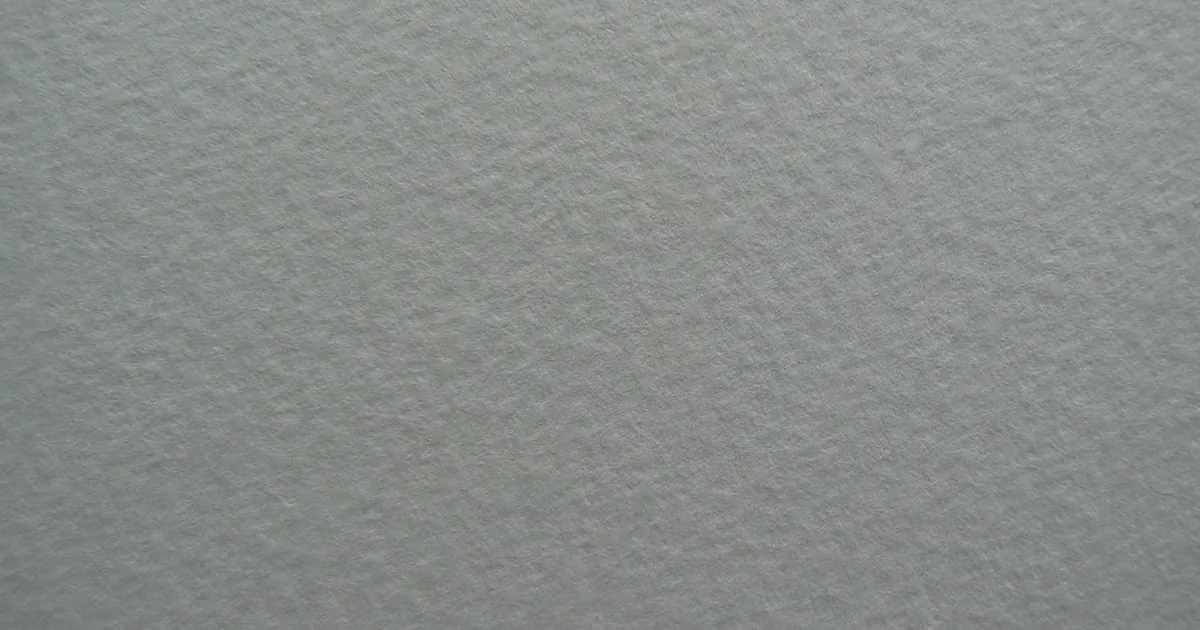
Fiber matters most. Cotton fibers are long and hold water in the sheet, so a wash stays workable longer and the surface survives lifting. Cellulose papers made from wood pulp dry faster and tend to pill when you scrub. Weight comes next. The standard sheet for loose watercolor is 300 gsm, the same thing as 140 lb, and most sketchbooks use lighter paper than that to keep the book thin. Sizing is third: it decides how far paint sinks into the sheet and whether the surface takes an eraser.
I left out books that don't publish their fiber at all, such as Stillman & Birn's Beta series, which retailers describe as 270 gsm without naming the fiber. Also left out are mixed-media books, even cotton ones. I didn't test these books myself, so there are no drying times or lifting counts here, only the specifications each maker or retailer prints.
Analysis: The Best Watercolor Sketchbooks by Use
Each of the best watercolor sketchbooks below solves a different problem. Read the "best for" line first, then the caveat, because the caveat usually decides it.
1. Hahnemühle Watercolour Book 100% Cotton
What it is: a hardcover book of 30 sheets (60 pages) of 250 gsm, 100% cotton rag paper in natural white, from the German mill Hahnemühle.
Why it made the list: both sides of every sheet have the same "homogeneous, fine-grained surface structure," according to Hahnemühle's product page, so you aren't stuck with one good side. The mill names wet-on-wet as the technique it suits best, which is a fair test of a sheet's water retention, and it says masking fluid and tape come off "without leaving any residue." For a beginner, the useful line is "Even the use of an eraser is possible thanks to surface sizing," which means you can sketch in pencil, paint over it and erase the leftover lines.
It comes in A6, A5 and A4, portrait and landscape, plus 14 x 14 cm and 19.5 x 19.5 cm squares. A Deckle Edge edition uses the same 250 gsm cotton paper with three hand-torn edges, in fewer and smaller formats. Parka Blogs, reviewing that edition in January 2026, found "minimal buckling" and pages that "open completely flat."
Best for: a first cotton sketchbook, and anyone who draws in pencil before painting.
One caveat: 250 gsm is lighter than a 300 gsm block, so expect a little cockling under very wet washes.
2. Baohong Academy Watercolour Sketchbook
What it is: a hardbound book of 24 sheets of 300 gsm, 100% cotton paper, made in Baoding, China. UK retailers sell it as the Baohong Classic.
Why it made the list: it's the heaviest paper here. Cass Art lists it as "internally and externally sized with gelatine," the traditional sizing for mould-made watercolor paper, and offers it in cold pressed and hot pressed surfaces. At 300 gsm, each page is the same weight as the standard 140 lb sheet painters use for loose work.
Price: Cass Art listed the 9 x 14 cm cold pressed book at £14.95 on 19 October 2026, out of stock at the time.
Best for: heavy washes and wet-on-wet skies in a book, and painters who want block-weight paper without carrying a block.
One caveat: Baohong has no English-language spec page I could find, so the specs above are what retailers publish. Parka Blogs, which otherwise rated the paper well under heavy wet-on-wet, noted that the paper is not laid consistently, so facing pages can differ in texture. With 24 sheets, you also get fewer pages than the Hahnemühle's 30.
3. Etchr Sketchbook
What it is: a 26-sheet (52-page) book of 100% cotton, acid-free paper, in 230 gsm cold press or 220 gsm hot press, from Etchr Lab.
Why it made the list: Etchr's product page describes lay-flat binding that "opens flat for wide-angle format," which matters if you paint landscapes across the gutter. Every page is paintable on both sides, and you choose the surface at purchase: cold press for texture, hot press for line and detail.
Best for: panoramic spreads and urban sketching, in B5, A5 or A6.
One caveat: Etchr doesn't name the mill that makes the paper, and opinions on it are mixed. Parka Blogs, in its list of cotton sketchbooks, rated the Baohong Academy's paper "better than the Etchr Watercolour Sketchbook." The page I checked showed the portrait book as sold out.
4. Khadi Handmade Hardback Book
What it is: a section-stitched hardback of 210 gsm, 100% cotton rag paper, handmade by Khadi Papers in Karnataka, South India.
Why it made the list: it is the only handmade paper here, and the only one sold in a rough surface. Cass Art lists the paper as "surface and internal sized with gelatine." On the rough edition, granulating pigments such as ultramarine settle into the deeper texture and show their grain.
Price: Cass Art listed the 13 x 16 cm smooth book at £12.95 and the 21 x 25 cm rough book at £24.95, checked 19 October 2026.
Best for: loose, textured painting, and anyone who likes deckle edges and an irregular sheet.
One caveat: 210 gsm is the lightest paper on this list, and handmade paper varies from sheet to sheet. It suits looser painting better than fine detail.
GODEEPER: Fiber, weight and sizing work the same way in loose sheets as in sketchbooks. The paper guide explains each one in more depth. Best Watercolor Paper for Beginners: Why 100% Cotton Matters →
Watercolor Sketchbooks That Are Not 100% Cotton
These books are sold as watercolor sketchbooks, but their paper is not 100% cotton. They take light and moderate washes fine and cost less, though they behave differently under heavy water, and they're often what people buy by mistake when they wanted cotton.
The plain Hahnemühle Watercolour Book is the easiest mistake to make. It looks almost identical to the cotton edition, but its paper is 200 gsm, and Parka Blogs describes it as cellulose. Hahnemühle's own category page says its watercolour books use "paper made from 100% cotton or 100% cellulose." Check the cover: the cotton books say "100% Cotton" in the name. Liz Steel, reviewing the non-cotton book, found it "fairly good for smooth washes" but said it "naturally can't compete with 100% cotton paper."
The Moleskine Art Watercolour Album is listed by retailers at 200 gsm with 25% cotton, cold pressed. The Strathmore 500 Series Mixed Media journal is 100% cotton but 190 gsm with a vellum surface, made for mixed media rather than watercolor. It handles light washes over ink, which is what it's designed for.
How to Pick a Watercolor Sketchbook for Your Painting
Pick by how wet you paint first, then by surface, then by format. A painter who floods the page needs weight before anything else, while someone adding color to a pen drawing cares more about a smooth surface.
If you paint wet and loose, weight is the first spec to check. The 300 gsm Baohong takes the most water before cockling, and the 250 gsm Hahnemühle comes next. A buckled page in any cotton book often flattens again under a stack of books once it's dry. Some painters dampen the back of a cockled page and let it dry under weight.
If you draw first and color after, look at surface. Cold press gives paint somewhere to settle, while hot press keeps a pen line clean. The hot press vs cold press paper comparison covers what each surface does under a brush. Etchr and Baohong both sell hot pressed editions.
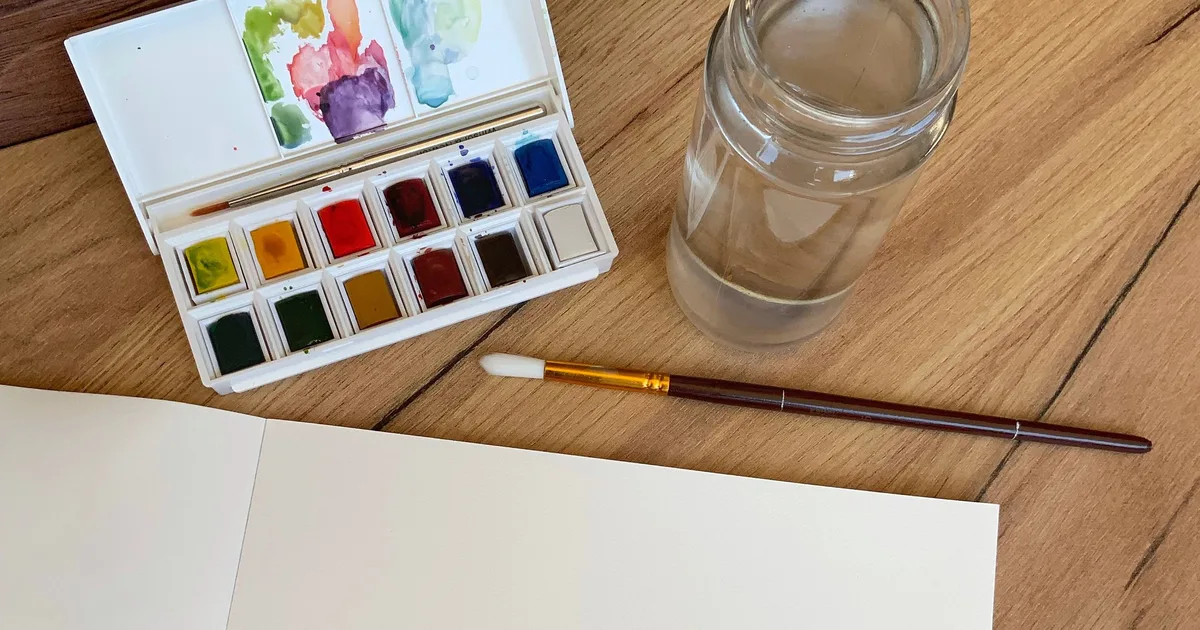
If you paint on location, format and binding matter as much as paper. A5 fits most bags and leaves room for a spread. Pair the book with a small pan set, which is easier to use on your lap than tubes, as the pans vs tubes guide explains. Lay-flat binding (Etchr, and the Hahnemühle Deckle Edge per Parka Blogs) means the gutter won't fight you.
If you want texture, Khadi's rough handmade paper is the outlier. It suits granulating paints and dry-brush work, but it's not the book for tight detail.
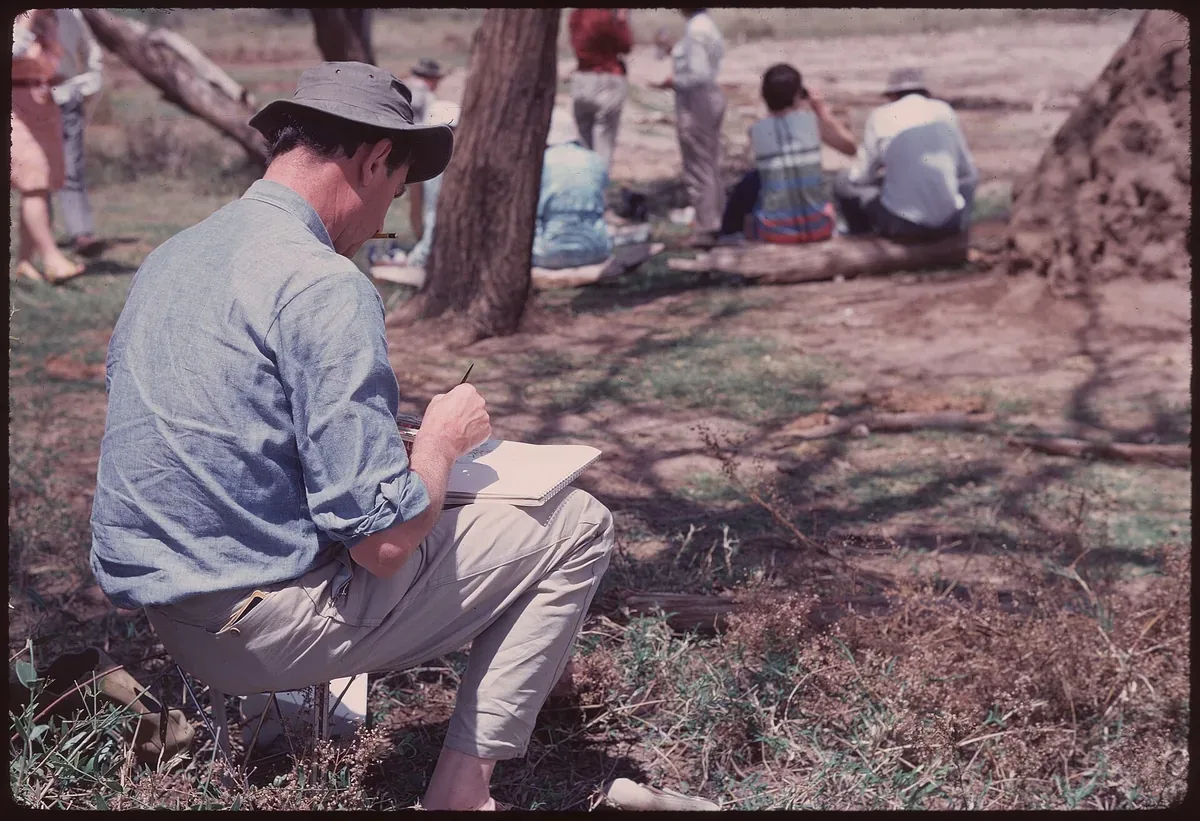 Painting on location in Lake Manyara park, Tanzania, 1971, with the sketchbook balanced on one knee. On location the book is your whole easel, so its size and binding matter as much as the paper. Photo: Guus Gorter, Wikimedia Commons, CC BY-SA 4.0.
GODEEPER: Sketchbook pages stay wet for less time than a heavy block, so timing matters even more. The wet-on-dry guide shows how to build crisp layers on a sheet that has dried. Wet-on-Dry Watercolor Technique: Crisp Edges in 6 Steps →
Frequently Asked Questions
What is the best watercolor sketchbook for beginners? The Hahnemühle Watercolour Book 100% Cotton is the easiest all-round pick. Its 250 gsm cotton rag paper has a fine-grained surface on both sides of all 30 sheets, it comes in eight formats from A6 to A4, and Hahnemühle says its surface sizing lets you use an eraser.
Are 100% cotton watercolor sketchbooks worth it? Yes, if you paint wet washes in the book. Cotton fibers hold water longer and stand up to lifting and scrubbing better than wood cellulose. If you mostly draw in ink and add light color, a cellulose book costs less and will do the job well enough.
Is the Hahnemühle Watercolour Book 100% cotton? Only the edition with 100% Cotton in its name. Hahnemühle sells watercolour books in both 100% cotton and 100% cellulose paper. The cotton books are 250 gsm, while the plain 200 gsm Watercolour Book is described by reviewers such as Parka Blogs as cellulose. Check the cover label before buying.
What gsm should a watercolor sketchbook be? Aim for 250 to 300 gsm for wet washes. The four cotton books in this list run from 210 gsm (Khadi) to 300 gsm (Baohong), which equals 140 lb. Lighter pages cockle more under heavy water, so match the weight to how wet you paint.
Which watercolor sketchbook lays flat? Etchr lists lay-flat binding on its 100% cotton sketchbooks, which is useful for painting across a two-page spread. Parka Blogs also reports that the Hahnemühle Deckle Edge cotton book opens completely flat. Check the binding before buying if panoramic spreads matter to you.
Is Moleskine watercolor paper 100% cotton? No. Retailers list the Moleskine Art Watercolour Album at 200 gsm with 25% cotton content. It is a cold pressed paper that takes moderate washes, but it is not a 100% cotton sheet, so expect it to behave differently from the books in this list under heavy wet work.
Related Reading
- Watercolor for Beginners: Essential Supplies & Buying Guide: where a sketchbook fits in a first kit, next to paint and brushes.
- Best Watercolor Brushes for Beginners: 3 Shapes to Buy: the round and flat brushes that suit a small sketchbook page.
- Student vs Artist Grade Watercolor: 6 Pigments Compared: whether the paint you put in the book is worth upgrading too.
References
- Hahnemühle: Watercolour Book 100% Cotton - Weight, fiber, sheet count, formats and surface sizing.
- Hahnemühle: Watercolour Books - The range in 100% cotton or 100% cellulose, 200 to 300 gsm.
- Etchr Lab: Etchr Sketchbook, Portrait - Cotton content, weights, page count and lay-flat binding.
- Cass Art: Baohong Classic Watercolour Sketchbook 300gsm - Fiber, gelatine sizing and sheet count.
- Cass Art: Khadi Hardback Book 210gsm Rough - Handmade cotton rag, gelatine sizing and sizes.
- Parka Blogs: List of 100% Cotton Watercolour Sketchbooks - Cotton and cellulose editions, and painter comments.
- Parka Blogs: Hahnemühle Watercolour Book Deckle Edge 100% Cotton - Buckling and lay-flat observations.
- Liz Steel: Hahnemühle Watercolour Book Review - The non-cotton 200 gsm book in use.

Written by
Marcus ReedTechnique Editor
Marcus Reed writes Watercolor Daily's step-by-step technique guides: wet-on-wet washes, glazing, dry brush, and the water control underneath them.
NextKeep reading
Guides / 12 min
Rough Watercolor Paper: Granulation, Dry Brush and 6 Steps
Features / 12 min
Watercolor Paper Weight GSM: 190 vs 300 vs 640 Explained
Features / 11 min
Hot Press vs Cold Press Watercolor Paper: 3 Surface Types
Guides / 11 min
How to Stretch Watercolor Paper: 3 Methods by Weight
Features / 11 min
Watercolor Block vs Pad vs Sheets: Cost per Square Inch
Guides / 9 min
Best Watercolor Paper for Beginners: Why 100% Cotton Matters
Features / 11 min
Best Travel Watercolor Sets: 5 Pocket Boxes Compared
Features / 13 min
Best Watercolor Paints for Beginners: 5 Sets Compared
Disclaimer
This article is published for informational purposes and is not professional advice. Product formulations, pigment sources, packaging and store listings change. Check the details that matter to you (price, pigment content, regional availability) with the manufacturer or retailer before you buy.